
The global demand for aluminum circles, also known as aluminum discs, continues to surge. These versatile components are fundamental to numerous industries, from cookware and lighting to electronics and road signage. For businesses seeking reliable and high-quality aluminum circles, partnering with a proficient aluminum circle exporter is paramount. This guide delves into the intricacies of the aluminum circle market, what to look for in an exporter, and how companies like Huawei Aluminum establish themselves as leaders in this specialized field.
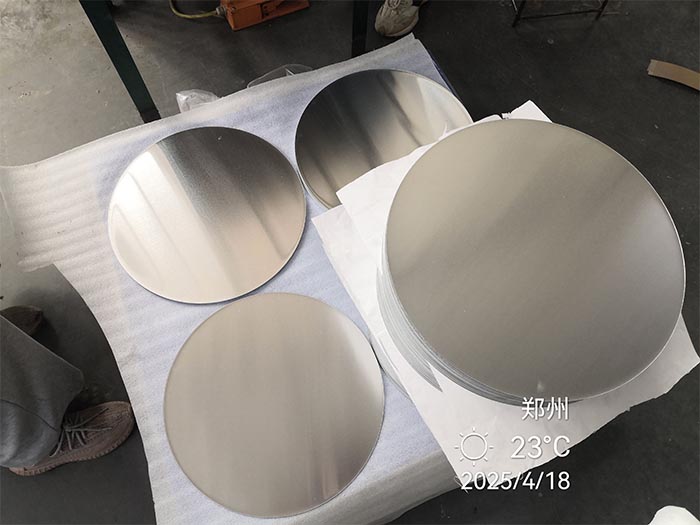
Understanding Aluminum Circles: The Foundation of Quality
Before exploring exporters, it’s crucial to grasp what aluminum circles are and why their properties are so valued. Aluminum circles are flat, circular pieces cut from aluminum sheets or coils. Their popularity stems from a unique combination of characteristics:
-
Lightweight: Aluminum is roughly one-third the weight of steel, simplifying handling and reducing shipping costs.
-
Excellent Thermal Conductivity: This makes aluminum circles ideal for cookware, heat exchangers, and lighting reflectors.
-
High Formability: Aluminum can be easily shaped, drawn, and spun without cracking, essential for deep-drawing applications like pots and pans.
-
Corrosion Resistance: Aluminum naturally forms a protective oxide layer, enhancing durability, especially in cookware and outdoor applications.
-
Recyclability: Aluminum is 100% recyclable without loss of quality, aligning with global sustainability efforts.
Common Aluminum Alloys for Circles:
The specific alloy choice dictates the final properties of the aluminum circle. Key alloys include:
-
1xxx Series (e.g., 1050, 1060, 1100): High purity aluminum, offering excellent formability and corrosion resistance. Ideal for cookware, lighting reflectors, and decorative parts.
-
3xxx Series (e.g., 3003): Alloyed with manganese, providing moderate strength and good workability. Widely used for general-purpose cookware and utensils.
-
5xxx Series (e.g., 5052): Alloyed with magnesium, offering higher strength and good resistance to marine atmospheres. Suitable for more demanding applications.
The manufacturing process, typically involving decoiling, leveling, blanking (or stamping), and sometimes annealing, must be precise to ensure consistent quality, dimensional accuracy, and desired temper (e.g., O, H12, H14, H24).
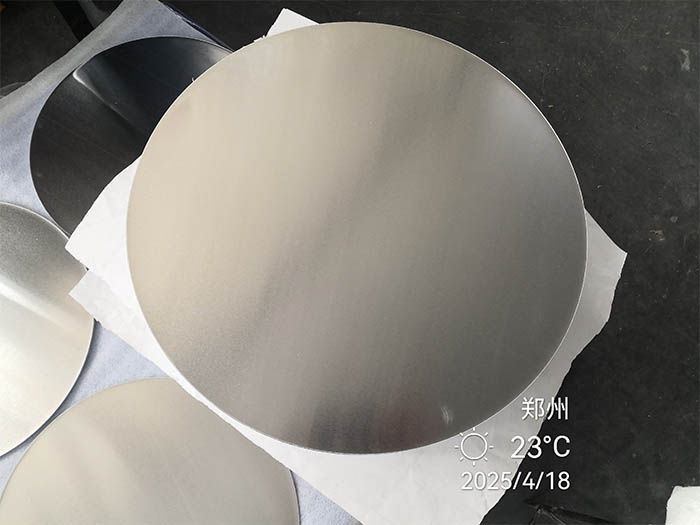
The Critical Role of Aluminum Circle Exporters
Aluminum circle exporters bridge the gap between manufacturers and international buyers. Their role extends far beyond mere shipping; they are crucial cogs in the global supply chain. A proficient exporter:
-
Ensures Product Quality: They source from reputable mills or have their own advanced manufacturing facilities, implementing rigorous quality control checks for alloy composition, temper, surface finish, and dimensional tolerances.
-
Manages Complex Logistics: International shipping, customs clearance, and timely delivery are core competencies.
-
Provides Market Expertise: They understand global market trends, pricing fluctuations, and specific regional requirements.
-
Offers Technical Support: Reputable exporters can advise on the best alloy and temper for specific applications, such as deep drawing quality aluminum circles for cookware.
-
Consolidates Supply: They can often offer a wider range of specifications and quantities than a single mill might.
Selecting the Right Aluminum Circle Exporter: Key Considerations
Choosing a partner for your aluminum circle needs is a significant decision. Here’s what to evaluate:
-
Manufacturing Prowess & Quality Control:
-
Do they have their own production lines or strong partnerships with certified mills?
-
What quality certifications do they hold (e.g., ISO 9001)?
-
Can they provide mill test certificates (MTCs) for each batch?
-
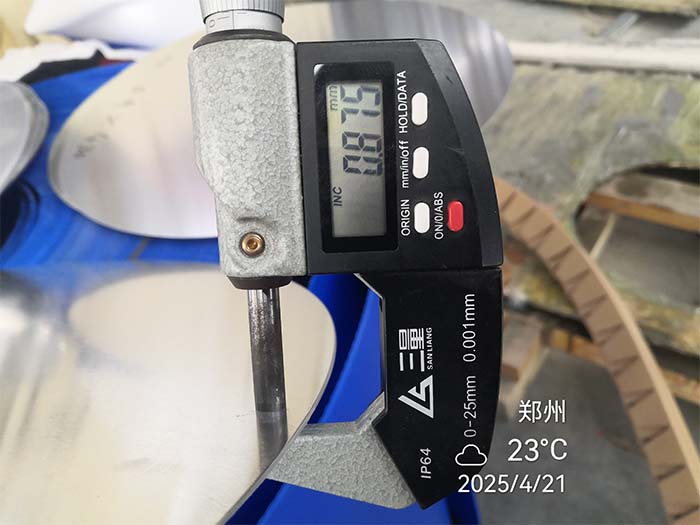
Inquire about their tolerance control for thickness, diameter, and flatness.
-
-
Product Range & Specialization:
-
Do they offer a wide variety of alloys, tempers, and thicknesses?
-
Do they specialize in circles for specific applications, like cookware aluminum circles or lighting aluminum circles?
-
Can they produce circles with specific surface finishes (e.g., mill finish, anodized, coated)?
-
-
Experience & Reputation:
-
How long have they been exporting aluminum circles?
-
Can they provide client testimonials or case studies?
-
What is their track record for on-time delivery and problem resolution?
-
-
Technical Expertise & Customer Service:
-
Is their sales and technical team knowledgeable?
-
Are they responsive to inquiries and proactive in communication?
-
-
Packaging & Logistics:
-
How are the aluminum circles packaged to prevent damage during transit (e.g., wooden pallets, interleaved paper, plastic film)?
-
What are their shipping terms (Incoterms) and capabilities?
-
-
Competitive Pricing & Payment Terms:
-
While cost is a factor, it shouldn’t be the sole determinant. Balance price with quality and reliability.
-
Are their payment terms flexible and secure?
-
Huawei Aluminum: A Premier Aluminum Circle Exporter
Huawei Aluminum stands as a prominent example of a reliable and professional aluminum circle exporter. With years of experience in the aluminum industry, Huawei Aluminum has built a reputation for delivering high-quality aluminum circles tailored to diverse international client needs.
Why Choose Huawei Aluminum?
-
Comprehensive Product Portfolio: Huawei Aluminum offers an extensive range of aluminum circles in various alloys (1xxx, 3xxx, 5xxx series), tempers (O, H12, H14, H18, H22, H24), and thicknesses. We specialize in providing deep drawing quality (DDQ) aluminum circles perfect for the cookware industry, as well as circles for lighting, road signs, and other applications.
-
State-of-the-Art Manufacturing: We utilize advanced production equipment and stringent quality control processes, from raw material inspection to final product testing. This ensures our aluminum circles meet precise specifications for diameter, thickness, and surface quality.
-
Global Reach & Expertise: As an experienced aluminum circle exporter, Huawei Aluminum has a deep understanding of global market demands and logistics. We efficiently manage export procedures to ensure timely and secure delivery to clients worldwide.
-
Customer-Centric Approach: We work closely with our clients to understand their specific requirements, offering technical advice and customized solutions. Our commitment is to build long-term partnerships based on trust and mutual success.
-
Focus on Quality: Huawei Aluminum adheres to international quality standards. Our aluminum circles are known for their excellent surface finish, superior formability, and consistent mechanical properties.
Aluminum Circle Specifications Commonly Exported by Huawei Aluminum:
| Feature | Specification Range | Notes |
| Alloy | 1050, 1060, 1100, 3003, 3004, 5052 etc. | Customized alloys available on request. |
| Temper | O, H12, H14, H16, H18, H22, H24, H26 | O (soft) temper is ideal for deep drawing. |
| Thickness | 0.3mm – 6.0mm | Tighter tolerances can be achieved. |
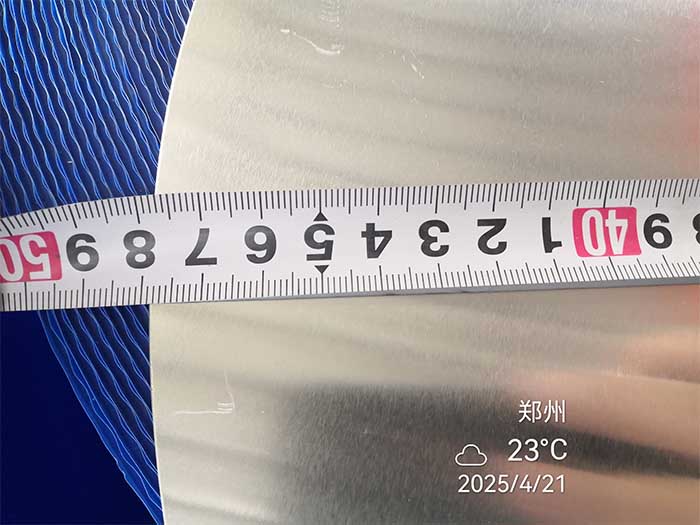
| Diameter | 50mm – 1500mm | Custom diameters are a specialty. |
| Surface Finish | Mill Finish, Bright Finish | Free from oil stains, dents, scratches. |
| Application | Cookware, Lighting, Road Signs, Utensils | And more, including electronics casings. |
| Standard | ASTM, EN, GB | |
| Quality Assurance | Mill Test Certificates, ISO Certified |
The Future of Aluminum Circle Exports
The market for aluminum circles is poised for continued growth. Key drivers include:
-
Rising Demand for Quality Cookware: Consumers increasingly seek durable, efficient, and safe cookware, for which aluminum is a prime material.
-
Growth in the Lighting Industry: LED lighting fixtures often utilize aluminum circles for reflectors and heat sinks due to their reflectivity and thermal dissipation properties.
-
Sustainability Initiatives: Aluminum’s high recyclability makes it an environmentally preferred material, boosting its use in various sectors.
-
Infrastructure Development: Increased use in road signs, construction, and transportation components.
Aluminum circle exporters who can adapt to these trends by offering innovative solutions, consistent quality, and robust supply chains will thrive.