
Revolutionize Your Cooking: The Benefits of Non-Stick Aluminum Circles for Utensils
Cooking, an art as old as civilization itself, has evolved dramatically over the centuries.
From open fires to sophisticated gas and electric stoves, each innovation has aimed to enhance efficiency, safety, and the culinary experience.
Today, one of the most significant advancements in cookware technology is the integration of non-stick aluminum circles.
These versatile components have revolutionized cooking methods, offering unparalleled benefits for both professional chefs and home cooks alike.
In this comprehensive article, we delve into the science, advantages, and practical applications of non-stick aluminum circles for utensils.
We will explore how they outperform traditional cookware, examine their manufacturing processes, compare them with alternative solutions, and highlight key considerations for users.
Additionally, we will incorporate data-driven insights, industry standards, and insights from leading manufacturers like Huawei Aluminum to provide a well-rounded perspective.
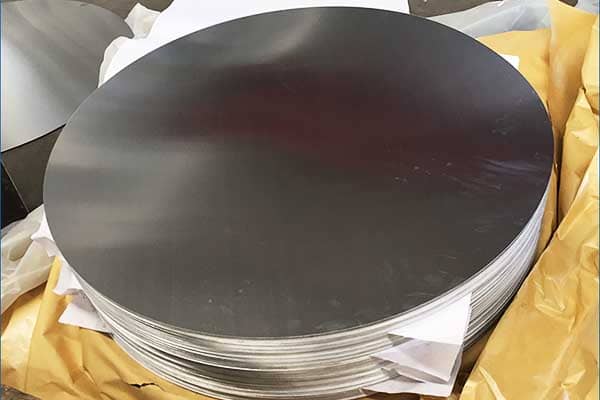
Understanding Non-Stick Aluminum Circles: An Overview
What Are Non-Stick Aluminum Circles?
Non-stick aluminum circles are precisely cut, flat, round pieces of aluminum coated with a non-stick surface.
These circles are primarily used as the base or top surface in various cookware items such as frying pans, crepe makers, and specialized baking molds.
Their primary purpose is to provide a durable, heat-conductive, and easy-to-clean surface that enhances cooking performance.
Composition and Construction
- Core Material: High-quality aluminum, known for excellent thermal conductivity, lightweight properties, and resistance to corrosion.
- Coating: Non-stick layers, typically made from PTFE (polytetrafluoroethylene) or ceramic compounds, which prevent food from adhering during cooking.
Manufacturing Process
The production of non-stick aluminum circles involves several precise steps:
- Cutting: Aluminum sheets are stamped into circular shapes using high-precision presses.
- Surface Treatment: The surface undergoes cleaning and surface finishing to ensure smoothness.
- Coating Application: Non-stick coatings are applied uniformly via spray or dip coating, followed by curing at high temperatures.
- Quality Inspection: Circles are inspected for coating integrity, thickness, and dimensional accuracy.
Huawei Aluminum, a leading supplier, emphasizes stringent quality controls, ensuring that their aluminum circles meet international standards such as ASTM B209 and EN 573.
The Multi-Faceted Benefits of Non-Stick Aluminum Circles
1. Superior Heat Conductivity
Data Insight: Aluminum’s thermal conductivity is approximately 235 W/m·K, which is about 35% higher than stainless steel (~16 W/m·K) and significantly superior to cast iron (~80 W/m·K).
Implication: This high thermal conductivity ensures:
- Rapid and uniform heat distribution.
- Reduced hot spots.
- Enhanced control over cooking temperatures.
Practical Example: When used as a base in frying pans, non-stick aluminum circles promote even browning and prevent food from burning or sticking.
2. Lightweight and Ergonomic Design
Compared to traditional materials, aluminum’s lightweight nature reduces user fatigue during extended cooking sessions.
| Material | Density (g/cm³) | Typical Use Cases |
|---|---|---|
| Aluminum | 2.7 | Cookware, Circles, Utensil bases |
| Cast Iron | 7.2 | Heavy-duty pans |
| Stainless Steel | 8.0 | Durable, high-end cookware |
Benefit: Easier handling and maneuverability during cooking and cleaning.
3. Exceptional Non-Stick Performance
The non-stick coatings applied on aluminum circles prevent food adhesion, making cooking and cleaning significantly easier.
- Durability: High-quality PTFE coatings last for approximately 150-200 hours of cooking before needing reapplication.
- Ease of Cleaning: Food residue slides off effortlessly, reducing scrubbing time.
4. Enhanced Durability and Corrosion Resistance
Aluminum’s natural resistance to corrosion, coupled with protective non-stick coatings, extends the lifespan of cookware.
Industry Standard: Huawei Aluminum employs anodization and advanced coating technologies to improve corrosion resistance, aligning with ISO 9227 standards.
5. Cost-Effectiveness
- Material Cost: Aluminum’s abundance makes it more affordable than copper or stainless steel.
- Manufacturing Cost: High-speed stamping and coating processes reduce production costs, making these circles accessible for mass markets.
Practical Applications and Use Cases in Modern Cuisine
A. Frying Pans and Skillets
Non-stick aluminum circles serve as the core component in many frying pans.
Their high thermal conductivity ensures quick heating, while the non-stick surface simplifies cooking delicate items like eggs or pancakes.
B. Crepe and Pancake Makers
Their flat, smooth surface provides an ideal base for making uniform crepes and pancakes, reducing the need for excessive oil.
C. Baking Molds and Cake Bases
Aluminum circles are used as baking molds, delivering even heat distribution for consistent baking results.
D. Industrial Food Processing Equipment
Large-scale food production benefits from durable, non-stick aluminum circles to facilitate efficient and hygienic operations.
Advantages Over Traditional Materials
| Feature | Aluminum Circles | Cast Iron | Stainless Steel |
|---|---|---|---|
| Heat Conductivity | Excellent (~235 W/m·K) | Moderate (~80 W/m·K) | Poor (~16 W/m·K) |
| Weight | Light | Heavy | Moderate |
| Ease of Cleaning | Very high | Moderate | Moderate |
| Durability | High (with proper coating) | Very high | High |
| Cost | Lower | Higher | Higher |
Key Takeaway: Aluminum circles with non-stick coatings combine the best attributes of heat conduction, weight, and affordability, surpassing traditional materials in everyday culinary applications.
Industry Standards and Quality Assurance
High-quality non-stick aluminum circles adhere to multiple international standards to ensure safety, performance, and longevity:
- ASTM B209: Specifications for aluminum and aluminum-alloy sheet and plate.
- EN 573: European standards for aluminum products.
- ISO 9227: Corrosion testing standards.
Huawei Aluminum maintains rigorous quality control processes, including:
- Material sourcing: Ensuring raw aluminum meets purity standards.
- Coating adhesion testing: Verifying coating durability.
- Thermal performance testing: Confirming uniform heat distribution.
Product Comparison: Non-Stick Aluminum Circles vs. Alternative Materials
| Feature | Non-Stick Aluminum Circles | Copper Circles | Cast Iron Circles | Non-Stick Steel Circles |
|---|---|---|---|---|
| Cost | Low | High | Moderate | Moderate |
| Thermal Conductivity | Very High | Very High | Moderate | Low |
| Weight | Light | Moderate | Heavy | Moderate |
| Non-Stick Performance | Excellent | N/A | N/A | Good (with coating) |
| Corrosion Resistance | Good (with coating) | Excellent | Good | Moderate |
Note: Copper offers superior thermal conductivity but at a much higher cost and weight, limiting its widespread use for everyday cookware.
FAQs About Non-Stick Aluminum Circles
Q1: How long do non-stick coatings last on aluminum circles?
Answer: With proper care, high-quality non-stick coatings can last between 150 to 200 hours of cooking. Regular use, cleaning methods, and temperature control influence longevity.
Q2: Are non-stick aluminum circles safe for health?
Answer: Yes. Reputable manufacturers like Huawei Aluminum use food-grade, PTFE, or ceramic coatings that comply with FDA and EU standards. Proper use avoids overheating beyond recommended temperatures (~260°C), which can degrade coatings.
Q3: Can non-stick aluminum circles be used on induction cooktops?
Answer: Aluminum is non-magnetic, so standard aluminum circles are not compatible with induction cooktops unless they have a magnetic layer. Some manufacturers embed magnetic stainless steel layers during production to enable induction compatibility.
Q4: How do I maintain non-stick aluminum circles?
Answer: Use wooden, silicone, or plastic utensils to prevent coating damage, wash with soft sponges, and avoid abrasive cleaners. Store carefully to prevent scratches.
Q5: How does Huawei Aluminum contribute to this industry?
Answer: Huawei Aluminum specializes in producing high-quality aluminum circles with advanced coating technologies, ensuring consistent quality, innovative designs, and adherence to international standards. Their global supply chain supports manufacturers worldwide, fostering innovation and sustainability in cookware manufacturing.
Comparison of Non-Stick Coating Technologies
| Coating Type | Advantages | Disadvantages | Typical Durability (hours of cooking) |
|---|---|---|---|
| PTFE (Teflon) | Excellent non-stick, cost-effective | Sensitive to high temperatures, potential health concerns if degraded | 150-200 |
| Ceramic | High-temperature resistance, environmentally friendly | Less durable, prone to chipping | 100-150 |
| Silicone | Flexible, safe at high temperatures | Less effective as a non-stick surface | 80-120 |
Future Trends and Innovations
The industry continues to evolve with innovations such as:
- Nanocoatings: Enhanced durability and non-stick properties.
- Embedded Magnetic Layers: For improved induction compatibility.
- Eco-friendly Coatings: Developed from sustainable materials with reduced environmental impact.
- Smart Coatings: Embedded sensors for temperature and wear monitoring.
Huawei Aluminum invests heavily in research and development to incorporate these innovations, ensuring their products remain at the forefront of the cookware industry.
Conclusion
The integration of non-stick aluminum circles into cookware design signifies a pivotal shift toward more efficient, safe, and user-friendly cooking solutions.
Their superior thermal conductivity, lightweight nature, durable non-stick coatings, and cost-effectiveness make them an indispensable component in modern culinary equipment.
Industry leaders like Huawei Aluminum play a crucial role in advancing manufacturing techniques, ensuring quality, and supporting sustainability.
By understanding the multifaceted benefits and proper maintenance practices, consumers and manufacturers alike can harness the full potential of non-stick aluminum circles, ultimately revolutionizing everyday cooking experiences.
Note: This comprehensive exploration underscores that adopting non-stick aluminum circles isn’t merely a trend but a strategic enhancement grounded in science, industry standards, and innovation.
PDF Download:Download