
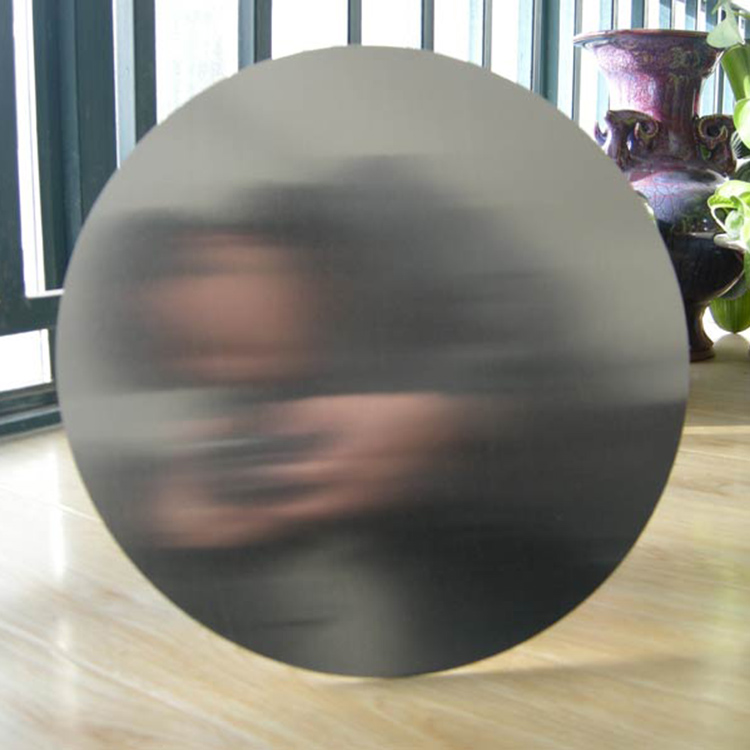
The humble cake pan, a cornerstone of kitchens worldwide, owes much of its baking prowess to a seemingly simple component: the aluminum disc. This circular foundation is more than just a piece of metal; it’s the starting point for countless culinary creations, influencing everything from how evenly a cake bakes to the pan’s overall longevity. For manufacturers of high-quality bakeware, and for discerning bakers, understanding the nuances of the aluminum disc is paramount.Huawei Aluminum, a leading name in the aluminum industry, recognizes the critical role these discs play.
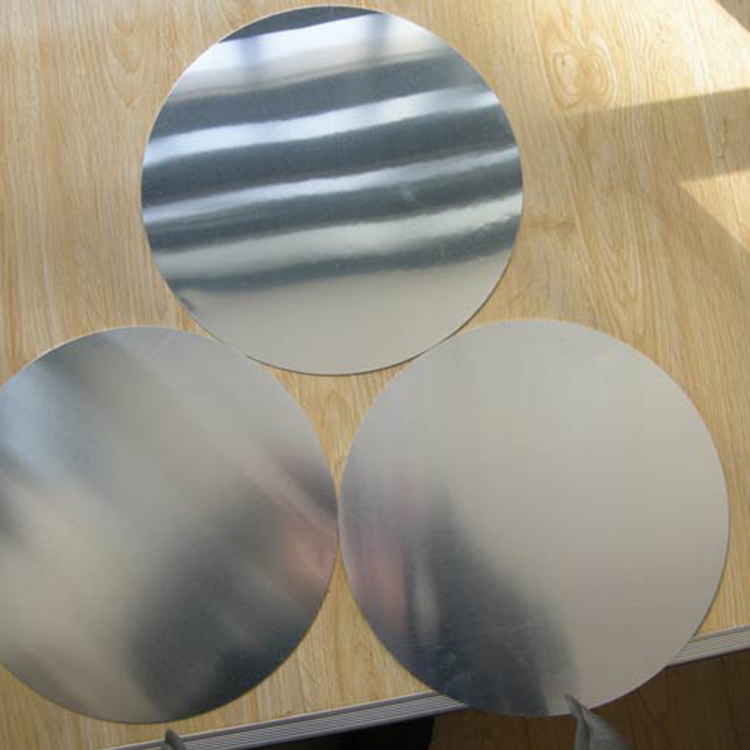
Why Aluminum? The Unbeatable Choice for Bakeware
Aluminum has long been the material of choice for bakeware, and for good reason. Its inherent properties make it exceptionally suited for the demands of baking.
-
Exceptional Heat Conductivity: Aluminum is a superb conductor of heat, second only to copper among common cookware materials (and significantly more cost-effective). This means heat spreads quickly and evenly across the surface of an aluminum disc, eliminating hot spots. The result? Cakes that bake uniformly, with consistent browning and texture, free from burnt edges or undercooked centers.
-
Lightweight Nature: Aluminum is remarkably light, especially compared to materials like cast iron or steel. This makes aluminum cake pans easier to handle, particularly when filled with batter or when maneuvering multiple pans in and out of the oven.
-
Excellent Malleability and Formability: Aluminum can be easily shaped, pressed, and drawn into various forms without losing its structural integrity. This allows manufacturers to create a wide array of cake pan designs from aluminum discs, from simple round pans to intricate Bundt shapes.
-
Corrosion Resistance: Aluminum naturally forms a protective oxide layer (aluminum oxide) when exposed to air. This layer is highly resistant to corrosion, preventing rust and ensuring the pan remains food-safe and durable over time. Further treatments, like anodizing, can enhance this resistance even more.
-
Recyclability: Aluminum is 100% recyclable and can be recycled indefinitely without losing its quality. This makes it an environmentally responsible choice for sustainable manufacturing and conscious consumers.
Deep Dive: Understanding Aluminum Alloys for Cake Pan Discs
Not all aluminum is created equal. The specific aluminum alloy used for a cake pan disc significantly impacts its performance characteristics. Common alloys for bakeware applications include:
-
1xxx Series (e.g., 1050, 1060, 1100):
-
These are commercially pure aluminum alloys, typically containing 99.0% to 99.6% aluminum.
-
Key Strengths: Highest thermal conductivity in the aluminum family, excellent ductility and workability, superior corrosion resistance.
-
Best For: Applications where maximum heat transfer and easy forming are paramount, like standard cake pans and sheet pans. Huawei Aluminum offers high-purity 1050 and 1060 discs ideal for such applications.
-
-
3xxx Series (e.g., 3003):
-
This series is alloyed primarily with manganese (around 1.2%).
-
Key Strengths: Good formability, moderate strength (stronger than 1xxx series), excellent corrosion resistance, and still good thermal conductivity.
-
Best For: Cake pans that require a bit more rigidity and durability, or those that might undergo more complex forming processes. The 3003 alloy is a popular all-rounder for many bakeware items.
-
-
5xxx Series (e.g., 5052):
-
Alloyed primarily with magnesium.
-
Key Strengths: Higher strength than 1xxx and 3xxx series, excellent corrosion resistance, especially in marine environments (though less relevant for kitchenware, it indicates overall robustness).
-
Best For: Heavy-duty bakeware or components where structural integrity under stress is more critical. Generally, for standard cake pans, 1xxx or 3xxx series offer a better balance of conductivity and formability.
-
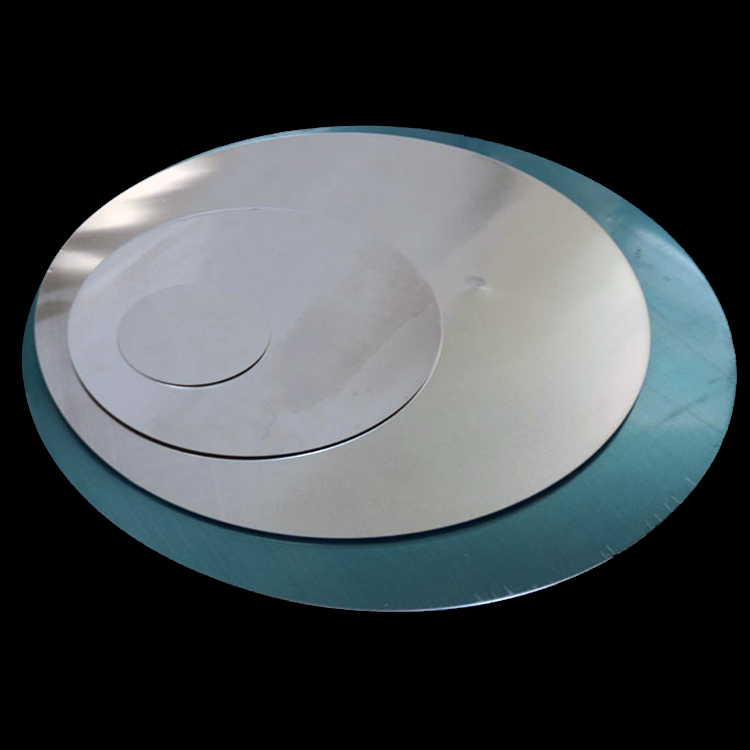
Comparison of Common Aluminum Alloys for Discs:
| Feature | 1050/1060 Alloy | 3003 Alloy | 5052 Alloy |
| Primary Alloying Element | None (High Purity Al) | Manganese (Mn) | Magnesium (Mg) |
| Thermal Conductivity | Excellent | Very Good | Good |
| Strength | Low | Moderate | Medium to High |
| Formability | Excellent | Good | Good |
| Corrosion Resistance | Excellent | Excellent | Excellent |
| Typical Application | Standard cake pans, high heat transfer needs | General-purpose cake pans, slightly more robust needs | Heavy-duty applications |
| Huawei Aluminum Supply | Yes | Yes | Yes |
Choosing the right alloy involves balancing thermal performance, strength requirements for the pan’s design, and cost-effectiveness. Huawei Aluminum works closely with bakeware manufacturers to select the optimal alloy grade and temper for their specific product lines.
The Manufacturing Journey: From Billet to Perfect Disc
Creating a high-quality aluminum disc for a cake pan is a precise manufacturing process:
-
Sourcing High-Quality Raw Aluminum: The process begins with sourcing primary aluminum ingots or recycled aluminum of high purity. Huawei Aluminum prioritizes premium raw materials to ensure the final disc meets stringent quality standards.
-
Melting and Casting: The aluminum is melted in large furnaces and then cast into large rectangular slabs or cylindrical billets.
-
Hot Rolling: These slabs or billets are then heated and passed through a series of rollers in a hot rolling mill. This process reduces their thickness and refines the grain structure of the aluminum.
-
Cold Rolling: After hot rolling, the aluminum (now in coil form) undergoes cold rolling. This further reduces the thickness to the exact specification required for the cake pan disc and improves surface finish and strength.
-
Annealing (If Necessary): Depending on the desired temper (hardness/softness), the aluminum coil might be annealed. Annealing is a heat treatment process that softens the metal, making it more ductile and easier to form into a cake pan. Common tempers for cake pan discs include ‘O’ (fully soft/annealed) or various H-tempers (strain-hardened).
-
Blanking/Cutting: The aluminum coil, now at the correct thickness and temper, is fed into a blanking press. This press uses a specialized die to punch out perfectly circular discs of the required diameter. Precision is key here to ensure uniformity.
-
Edge Finishing (Optional): Some applications may require deburring or smoothing of the disc edges.
-
Surface Treatments (Often Applied After Pan Formation):
-
Anodizing: An electrochemical process that thickens the natural oxide layer on the aluminum surface. Anodized aluminum is harder, more durable, more corrosion-resistant, and less reactive to acidic foods. It can also be dyed for aesthetic purposes.
-
Non-Stick Coatings: PTFE (Teflon) or ceramic-based non-stick coatings are often applied to the formed cake pan (which originated as a disc) for easy food release and cleaning. The quality of the underlying aluminum disc affects the adhesion and longevity of these coatings.
-
Huawei Aluminum’s manufacturing facilities utilize state-of-the-art technology and rigorous quality control at each step, from alloy composition to final disc dimensions, ensuring consistency and excellence.
Key Characteristics and Advantages of Quality Aluminum Discs
A superior aluminum disc translates directly into a superior cake pan. Here are the key characteristics that matter:
-
Uniform Thickness: Essential for even heat distribution. Variations in thickness can lead to uneven baking.
-
Precise Diameter: Ensures a consistent fit for stamping and forming processes, leading to uniform pan sizes.
-
Optimal Temper: The temper determines the disc’s formability and the final pan’s rigidity. A disc that is too hard may crack during forming, while one that is too soft may result in a flimsy pan.
-
Clean Surface Finish: A smooth, clean surface is crucial, especially if non-stick coatings are to be applied. It also contributes to the pan’s overall aesthetic.
-
Consistent Alloy Composition: Guarantees predictable thermal performance and mechanical properties.
The Benefits for Cake Pan Manufacturers and End-Users:
-
Superior Baking Performance: The primary benefit, leading to evenly baked goods.
-
Enhanced Durability: Pans made from quality discs resist warping, denting, and corrosion.
-
Food Safety: High-purity aluminum, especially when anodized or properly coated, is non-reactive and safe for contact with food. Reputable suppliers like Huawei Aluminum ensure their products meet food-grade standards.
-
Design Versatility: The formability of aluminum allows for a wide range of innovative and traditional cake pan designs.
-
Cost-Effectiveness: Aluminum offers an excellent balance of performance and price, making it an economical choice for both manufacturers and consumers.
-
Lightweight Handling: Easier for bakers of all ages and strengths to manage.
Applications Beyond the Standard Round Cake Pan
While the classic round cake pan is a primary application, aluminum discs are the starting point for a diverse range of bakeware:
-
Square and Rectangular Cake Pans: Discs are often the most efficient starting blank, with excess material trimmed after forming.
-
Springform Pans: The base of a springform pan is typically a sturdy aluminum disc.
-
Tart and Quiche Pans: Often feature removable bottoms made from aluminum discs.
-
Pizza Pans/Trays: Many pizza pans benefit from aluminum’s heat conductivity for a crispy crust.
-
Muffin Tins (Individual Cups): While the overall structure might be a single sheet, the concept of forming cup shapes relies on aluminum’s properties, often originating from sheet or coil that starts as a larger blank.
-
Specialty Shaped Pans: Aluminum’s malleability allows for various novelty shapes.
Choosing the Right Aluminum Disc: A Manufacturer’s Guide
For bakeware manufacturers, selecting the right aluminum disc supplier and specifications is crucial:
-
Alloy and Temper Selection: Match the alloy (e.g., 1060, 3003) and temper (e.g., O, H14, H24) to the specific pan design, forming process, and desired end-product characteristics. Consult with experts like those at Huawei Aluminum for guidance.
-
Thickness (Gauge): Thicker discs generally result in more durable, warp-resistant pans with even better heat distribution. However, this also increases material cost and weight.
-
Diameter and Tolerances: Specify precise diameter requirements and acceptable tolerances to ensure smooth integration into production lines.
-
Surface Quality: Discuss requirements for surface finish, especially if the pans will be anodized or coated.
-
Supplier Reliability and Quality Assurance: Partner with a reputable supplier like Huawei Aluminum that has robust quality control systems, consistent material sourcing, and a track record of excellence.
-
Customization Capabilities: Look for suppliers who can provide discs in custom sizes, alloys, and tempers to meet unique design needs. Huawei Aluminum excels in offering tailored solutions.
-
Volume and Lead Times: Ensure the supplier can meet production volume demands and provide reliable lead times.
The Huawei Aluminum Advantage: Your Partner in Bakeware Excellence
Huawei Aluminum stands as a premier global supplier of aluminum discs, catering specifically to the needs of the bakeware industry. Our commitment to quality, innovation, and customer satisfaction sets us apart:
-
Premium Grade Alloys: We source and process only high-quality aluminum, offering a range of alloys like 1050, 1060, 1100, 3003, and more, perfectly suited for diverse bakeware applications.
-
Precision Manufacturing: Our advanced rolling mills and blanking lines produce aluminum discs with exceptional dimensional accuracy, uniform thickness, and superior surface finish.
-
Customization: We understand that one size doesn’t fit all. Huawei Aluminum provides aluminum discs in a wide array of diameters (from 80mm to 1600mm), thicknesses (0.3mm to 6mm), and tempers, tailored to your specific manufacturing requirements.
-
Rigorous Quality Control: Every batch of aluminum discs undergoes stringent testing for alloy composition, mechanical properties, dimensional tolerances, and surface quality, ensuring they meet or exceed international standards.
-
Sustainable Practices: We are committed to environmentally responsible manufacturing, emphasizing recycling and energy efficiency in our processes.
-
Expert Technical Support: Our team of metallurgists and engineers works closely with clients to provide technical guidance and help select the ideal aluminum disc specifications for their cake pans.
By choosing Huawei Aluminum, bakeware manufacturers gain a reliable partner dedicated to supplying the foundational material for products that delight bakers worldwide.
Sustainability: The Green Side of Aluminum Discs
Aluminum’s environmental credentials add another layer of appeal.
-
Infinitely Recyclable: Aluminum can be recycled repeatedly without any degradation in quality. This “closed-loop” recycling is a significant environmental advantage.
-
Energy Savings: Recycling aluminum requires only about 5% of the energy needed to produce primary aluminum from bauxite ore. This dramatically reduces greenhouse gas emissions and conserves natural resources.
Huawei Aluminum is dedicated to sustainable operations, incorporating recycled content where feasible and optimizing processes to minimize environmental impact.
Care and Maintenance of Cake Pans Made from Aluminum Discs
To ensure the longevity of cake pans derived from aluminum discs:
-
Hand Washing Recommended: While some anodized or coated aluminum pans might be dishwasher safe, hand washing with mild detergent is generally gentler and prolongs the pan’s life, especially for non-stick surfaces.
-
Avoid Abrasive Cleaners: Steel wool or harsh scouring powders can scratch aluminum surfaces and damage coatings.
-
Prevent Extreme Temperature Shocks: Avoid plunging a hot pan into cold water, which can cause warping.
-
Proper Storage: Store pans carefully to prevent scratching and denting.
Future Trends: The Evolution of Aluminum in Bakeware
The use of aluminum discs in bakeware is well-established, but innovation continues:
-
Advanced Alloys: Research into new aluminum alloys may yield even better thermal performance or specialized properties.
-
Improved Coatings: Developments in non-stick and protective coatings will continue to enhance durability and ease of use.
-
Smart Manufacturing: Greater automation and precision in disc and pan manufacturing will lead to even higher quality and consistency.