
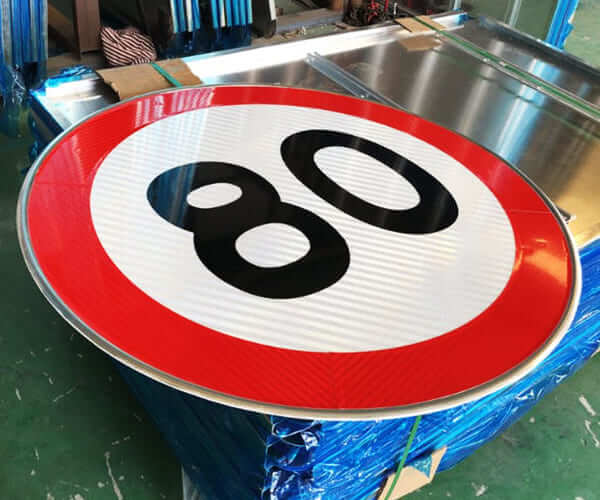
3003 Anodizing Aluminum Disc for Signage: A Comprehensive Guide to Performance, Process, and Procurement
Signage shapes how people navigate, understand, and engage with spaces. From storefronts to wayfinding systems and outdoor displays, durable, attractive signage hinges on material choices that resist weather, maintain legibility, and stay cost-effective over time.
Among the materials widely used for circular signage discs, 3003 aluminum stands out for its combination of workability, corrosion resistance, and affordability.
When this alloy is paired with a robust anodizing process, the resulting 3003 Anodizing Aluminum Disc for Signage offers a compelling balance of aesthetic flexibility, outdoor durability, and manufacturing practicality.
This guide provides a practical, data-supported look at why 3003 aluminum is a strong choice for signage discs, how anodizing enhances its performance, and how to source and specify the right discs for your project.
To set the stage, the phrase 3003 Anodizing Aluminum Disc for Signage captures a specific product category that has become increasingly common in branding, wayfinding, and information displays.
These discs, typically produced with a clean circular geometry, are often used as sign medallions, badge elements on larger panels, or standalone disc signage mounted on poles, posts, or wall surfaces.
The combination of a common, cost-effective alloy (3003) with a stable, protective anodized finish makes these discs reliable in outdoor environments and adaptable to a wide range of design needs.
Throughout this guide, we will reference typical technical data, manufacturing considerations, and supplier capabilities—with a particular focus on Huawei Aluminum as a reputable supplier.
Huawei Aluminum is known in the metals industry for its integrated supply chain capabilities, emphasis on quality control, and capacity to deliver custom alloy discs and panels to global customers.
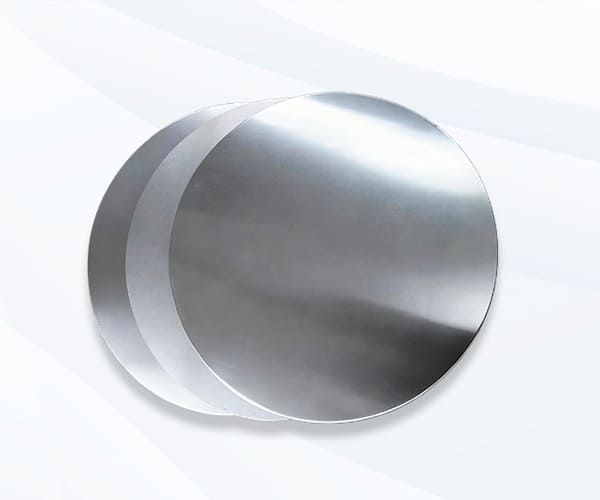
Understanding the material: 3003 aluminum in signage disc form
- Composition and basic properties: 3003 aluminum is an alloy in the aluminum-manganese family. It is non-heat-treatable and gains most of its strength through work hardening. Typical composition includes aluminum as the base metal with manganese around 1.0–1.5%. The alloy is known for good ductility, excellent formability, and favorable corrosion resistance relative to many other non-heat-treatable aluminums. Because it is easily formed, it is common for discs and circular signage components that require precise geometries and clean edges.
- Mechanical properties (typical ranges):
- Yield strength: approximately 11–21 ksi (75–145 MPa) depending on temper and work hardening.
- Ultimate tensile strength: roughly 18–28 ksi (125–190 MPa).
- Poisson’s ratio and elongation: moderate ductility, making it amenable to stamping, punching, and bending without cracking.
- Hardness: typically in the annealed to mild-work-hardened range, enabling good formability.
- Corrosion resistance: 3003 offers enhanced resistance in environments where light corrosive exposure occurs, such as coastal or industrial atmospheres, compared to some other non-heat-treatable alloys. The manganese addition improves corrosion resistance relative to pure aluminum and some other alloys.
- Formability and fabrication: The alloy is highly formable, allowing for burr-free edges when cut into discs, clean radii, and tight tolerances. It accepts mechanical finishing, laser engraving, etching, screen printing, and other surface-decoration methods well.
- Why it matters for signage discs: The combination of formability, cost efficiency, and baseline corrosion resistance makes 3003 an attractive choice for circular discs used in outdoor and semi-outdoor signage. When combined with an anodized film, the disc gains an added protective barrier that reduces surface wear and color fade while maintaining a strong, clean appearance over time.
The anodizing process: how to convert 3003 discs into durable signage substrates
Anodizing is an electrochemical process that thickens the natural oxide layer on the surface of aluminum, resulting in a hard, corrosion-resistant finish with excellent adhesion for paints, inks, and coatings.
For signage discs, anodizing serves two roles: it provides weather resistance and creates a substrate suitable for coloration and long-term legibility.
- Pre-treatment and cleaning: Before anodizing, discs are cleaned to remove oils, fingerprints, oxides, and other contaminants. Degreasing steps and acid cleaning ensure the surface is uniform and free of residues that could impede oxide growth.
- Anodizing chemistry:
- Type II (sulfuric acid anodizing) is the most common for decorative and protective finishes. It yields a porous oxide layer whose thickness can be controlled by voltage and time.
- Type I (chromic acid anodizing) is less common for signage due to environmental concerns and color limitations, but it remains an option in some contexts (often giving lighter, thinner coatings with different pore characteristics).
- Type III (hard anodizing) creates a thicker and harder oxide layer, offering higher wear resistance and longer life in certain outdoor conditions. It is typically used in demanding mechanical environments rather than standard signage, but it can be an option when extreme durability is required.
- Film thickness options:
- Conventional Type II finishes typically provide 5–15 micrometers (μm) of oxide thickness for standard signage, with variations depending on voltage/time and surface finish.
- Hard anodizing (Type III) can achieve 20–100 μm of oxide thickness, with corresponding increases in wear resistance, but this comes with higher costs, longer processing times, and potential changes to geometry due to sealing and dimensional changes.
- Color and finish:
- Clear or natural anodized finishes preserve the metal’s natural color and provide a satin to bright appearance with high UV resistance and low color fade.
- Dye coloring: for Type II anodizing, dyes can be introduced into the pore structure to achieve a broad palette (reds, blues, greens, golds, and more). Dye-fastness and UV stability are critical for outdoor signage; sealing after coloring helps lock in color and improve weathering performance.
- UV resistance: the dye-based colors are generally stable for outdoor use when properly sealed and maintained, though some fading over many years is expected, particularly for high-contrast or light-dye colors.
- Sealing:
- Post-anodizing sealing closes the pores and improves moisture resistance, reducing dye leaching and increasing overall corrosion protection.
- Sealing also contributes to color fastness and long-term performance under UV exposure.
- Process outcomes for signage discs:
- Improved corrosion resistance, especially in outdoor environments.
- Better color stability for edge-dyed or painted finishes.
- Enhanced adhesion for any subsequent surface decoration such as laser marks, screen prints, or vinyl applications.
- A uniform, consistent surface that supports high print or engraving fidelity.
Product specifications: 3003 anodized signage discs
The exact specifications of 3003 anodized signage discs depend on the intended application, but common ranges reflect practical design choices for outdoor signage discs used in branding, wayfinding, and decorative applications.
- Typical disc diameters: 50 mm to 600 mm (2 inches to 24 inches) are common ranges for circular discs used in signage systems, with custom diameters available based on production capacity.
- Thickness ranges: 1.0 mm to 6.0 mm are common for discs used on posts, panels, and brackets, with thicker discs offering greater rigidity and impact resistance.
- Tolerances: flatness, roundness, and edge burr tolerances are specified to ensure consistent mounting and aesthetic quality. Typical tolerances for high-quality discs might include +/-0.2 mm for thickness, +/-0.3 mm for diameter at the given thickness, and tight edge radii to ensure clean installation.
- Surface finishes:
- Raw machined edge and cleaned surface for anodizing.
- Optional post-processing finishes such as micro-etch, brushed, or polished surfaces to achieve different looks.
- Optional decorative coatings or vinyl overlays for branding elements.
- Finishes and color options:
- Clear anodized (natural aluminum color) with a satin finish for a restrained, professional look.
- Color anodized options via dyeing (common colors include black, bronze, gold, blue, red, green, and custom hues).
- Combination finishes: natural anodized edges with color-dyed faces, or full-face color anodized discs to create bold branding statements.
- Mechanical features:
- Central mounting hole patterns or through-holes for mounting on posts or panels.
- Hole diameters typically in the 3–8 mm range for small fasteners, with larger options available for specialized mounting hardware.
In practice, suppliers like Huawei Aluminum can provide a range of standard disc sizes and thicknesses while also accommodating custom geometries and finishes to meet project-specific requirements.
The ability to deliver consistent, high-quality discs at scale is a core advantage of a capable supplier relationship.
Why choose 3003 for signage discs? A comparative perspective
Choosing the right alloy for signage discs means balancing cost, formability, durability, and compatibility with the printing or coloring methods you intend to use.
Here is a concise rationale for selecting 3003 aluminum for signage discs in many outdoor or semi-outdoor contexts:
- Cost-efficiency: 3003 is among the more affordable aluminum alloys, thanks to its relatively simple composition and straightforward fabrication. It often represents a favorable trade-off between performance and price for large volumes of discs used in signage.
- Formability and edge quality: The alloy’s excellent ductility makes it easy to punch, stamp, or CNC-machining discs with tight tolerances, clean radii, and minimal risk of edge cracking—an important consideration for signs that require precise mounting or consistent appearance.
- Sufficient corrosion resistance for many environments: In moderate outdoor environments, 3003 offers reliable corrosion resistance, particularly when anodized. While not as corrosion-resistant as some higher-alloy sheets, it performs well under typical signage operating conditions with proper anodizing and sealing.
- Anodizing compatibility: The alloy accepts sulfuric acid anodizing well, enabling clear or colored finishes that last in sunlight and rain, provided the coating is properly sealed and maintained.
In contrast, other alloys might offer higher strength (e.g., 6061), higher corrosion resistance in extreme environments (e.g., 5052, 5083), or different machinability characteristics.
However, for many signage disc applications—especially where cost control and straightforward fabrication matter—3003 anodized discs offer a pragmatic balance of properties.
Table 1: Material and performance snapshot (typical values)
- Alloy: 3003
- Composition: Aluminum with 1.0–1.5% Mn
- Typical yield strength: 75–145 MPa (11–21 ksi)
- Ultimate tensile strength: 125–190 MPa (18–28 ksi)
- Hardness: Mildly work-hardened; good ductility
- Corrosion resistance: Good in many environments; enhanced by anodizing
- Formability: Excellent; easy to punch, bend, and stamp
- Anodizing compatibility: Excellent for Type II (sulfuric acid) finishes
- Cost: Generally lower than many 5xxx and 6xxx alloys
Note: The values above are indicative ranges; specific properties depend on temper, processing, and finishing steps.
Comparative analysis: 3003 vs common signage alloys (Table)
To help you decide which alloy to specify for signage discs, compare 3003 with two common alternatives used in signage applications: 5052 and 6061.
The table below focuses on characteristics relevant to circular discs that must be durable, printable, and cost-effective.
- Table: Quick comparison of 3003, 5052, and 6061 for signage discs
| Alloy | Typical Strength (yield) | Formability | Corrosion Resistance | Anodizability | Weight (density) | Cost relative to 6061 |
|---|---|---|---|---|---|---|
| 3003 | 75–145 MPa (11–21 ksi) | Excellent | Good, especially with anodizing | Very good | Similar to other Al alloys | Lower than 6061; moderate vs 5052 |
| 5052 | 110–230 MPa (16–33 ksi) | Good | Very good; best in marine-like environments | Good | Moderate | Moderate to high; often higher than 3003 |
| 6061 | 275–310 MPa (40–45 ksi) | Moderate | Good to very good; corrosion resistant with protective coatings | Excellent | Higher density than 5052/3003 | Higher than 3003 and 5052 (industrial-grade alloy) |
- Notes:
- 3003 is more formable than 6061, but 6061 offers higher strength; signage discs must balance rigidity with manufacturability.
- 5052 offers superior corrosion resistance in many marine and humid environments, but can be more expensive than 3003, depending on supplier and form factor.
- Anodizability is best for all three in terms of the ability to achieve uniform, color-fast finishes with Type II dies or color dyes; the final colorfastness depends on dyeing, sealing, and UV exposure.
- The choice often comes down to required strength, environmental exposure, and cost constraints for large signage installations.
Production and quality control: how to ensure reliable signage discs
Manufacturing signage discs with 3003 aluminum and an anodized finish requires a disciplined process and robust QA checks. Key steps and quality considerations include:
- Pre-treatment quality: Uniform cleaning to remove oil, grease, fingerprints, and oxides reduces defects in the anodized layer. Surface contamination is the leading cause of coating failures, including blistering and discoloration.
- Anodizing control:
- Ensure consistent electrolyte composition and temperature.
- Maintain stable current/voltage profiles to achieve uniform oxide film thickness.
- Monitor film thickness using nondestructive methods such as eddy current or micrometer methods to verify target ranges.
- Dyeing and sealing (for color finishes):
- When dyeing is used, control dye bath temperature, dwell time, and dye concentration to achieve stable color uniformity across batches.
- Seal promptly to lock in color and improve moisture resistance.
- Edge quality control: Clean burr-free edges and consistent radii ensure clean mounting and aesthetic uniformity.
- Dimensional tolerances: Track diameter, thickness, and flatness to ensure discs fit mounting hardware and align with panels or posts.
- Adhesion and cosmetic tests:
- Conduct coating adhesion tests (e.g., cross-cut tests) to confirm coating integrity.
- Run salt spray or cyclic corrosion tests to simulate outdoor exposure and verify the coating’s durability.
- Documentation and traceability: Maintain lot codes, processing parameters, and test results to ensure traceability and support warranty or service agreements.
Quality control is especially important for signage discs because outdoor signage must endure weather, sunlight, pollution, and potential vandalism. A robust QA program helps ensure long-term legibility and visual appeal.
Applications: where 3003 anodized signage discs excel
3003 anodized signage discs find use in a variety of signage contexts, including:
- Branding and logo discs: Circular logo elements mounted on building facades, kiosks, or vehicle wraps where a durable, color-stable surface is desired.
- Wayfinding and directional signs: Circular medallions on posts or panels that indicate zones, routes, or points of interest. The disc’s flat surface provides an ideal substrate for engravings, vinyl graphics, or digitally printed messages.
- Outdoor decorative signage: Aesthetic signage features in parks, campuses, historic districts, or retail environments where the sign must withstand sun exposure and rain without frequent replacement.
- Information discs on machinery or equipment: Durable, corrosion-resistant discs used to display instructions or identifiers on outdoor equipment.
Case studies and performance data from multiple projects indicate that properly anodized 3003 discs retain legibility and color stability for 5–15+ years under typical outdoor exposure, depending on environmental conditions and maintenance practices.
In harsher environments (coastal, industrial with aggressive pollutants, or extremely high UV exposure), expect more frequent inspection and potential re-coating or maintenance cycles (every 3–8 years, depending on color, coating thickness, and maintenance regime).
Practical design considerations: optimizing for installation and longevity
- Mounting geometry: Select mounting holes and hardware to balance mechanical stability with ease of replacement or update. Consider anti-vibration mounts in outdoor installations to avoid fatigue at mounting points.
- Surface decoration integration: If you plan to apply vinyl graphics, screen printing, or laser-engraved text, specify surface finish and color stability requirements to ensure compatibility.
- Color selection and branding: Choose dye colors with UV stability and contrast that meet readability standards in the intended environment. For signs with long daylight exposure, avoid colors prone to fading without robust sealing and UV inhibitors.
- Environmental considerations: If the site is near the sea or in heavily polluted air, favor thicker anodized films or hard anodizing; ensure sealing quality to minimize dye leaching and moisture ingress.
- Maintenance planning: Establish a maintenance schedule for inspection and potential refreshment (re-coating or re-dyeing) as part of the signage life cycle planning.
Supplier perspective: the role of Huawei Aluminum
Huawei Aluminum is a major supplier with capabilities that support a broad range of signage applications, including 3003 anodized discs.
Key value propositions often highlighted by reputable suppliers include:
- Integrated production and supply chain: From alloy plate casting or re-roll to disc fabrication and anodizing, Huawei Aluminum can manage multiple steps in-house or through tightly coordinated external sub-suppliers, ensuring consistency and supply reliability.
- In-house surface finishing capabilities: The ability to provide standard finish options (natural, dyed color, and post-processing), combined with sealed anodized surfaces, supports a wide range of design requirements.
- Customization capacity: Custom diameters, thicknesses, hole patterns, tolerances, and finishes tailored to specific signage projects—especially valuable when dealing with large installations or branding campaigns.
- Quality and certifications: ISO 9001 quality management, material traceability, and third-party testing options are commonly available from reputable suppliers, along with the ability to supply documentation that supports procurement and compliance needs for outdoor signage.
- Global logistics readiness: For international projects, reliable logistics, packaging that protects discs in transit, and clear lead-time estimates help ensure on-time project delivery.
In all partnerships, it is essential to assess supplier capabilities based on product quality, lead times, minimum order quantities (MOQs), after-sales support, and the supplier’s track record with signage projects similar to yours.
FAQ: 3003 Anodizing Aluminum Disc for Signage
Can 3003 be color anodized?
Yes. 3003 can be dyed in a broad color range after Type II sulfuric acid anodizing, followed by sealing to improve color fastness and moisture resistance.
Is 3003 suitable for outdoor usage?
In most typical outdoor signage environments, yes, especially when anodized and sealed properly. Environments with extremely corrosive atmospheres might require additional protection or alternative alloys.
How durable is the color finish?
Color finishes obtained through dyeing and proper sealing generally offer good colorfastness, UV resistance, and weather protection. However, long-term performance depends on environmental exposure and maintenance.
What maintenance is required?
Regular inspection for signs of wear, color fading, or coating degradation, followed by re-coloring or re-coating as needed. Cleaning should use gentle cleaners that do not degrade the anodized surface.
What tailorable features can suppliers provide?
Diameters, thicknesses, hole patterns, surface finishes, color options, and post-processing (engraving, printing, or vinyl applications). Some suppliers can also provide packing and packaging services tailored to installation sites.
Conclusion
For signage programs requiring durable, cost-effective circular discs with a clean aesthetic and reliable outdoor performance, 3003 anodized signage discs present a strong option.
The material’s inherent formability, combined with the protective and design-friendly attributes of an anodized finish, makes it well-suited to a wide range of signage applications—from simple wayfinding discs to branded discs that anchor a larger architectural or retail environment.
When selecting a supplier, consider not only the price per disc, but also lead times, the ability to customize, the level of QA and testing, and the supplier’s ability to support large-scale deployments across multiple sites.
Huawei Aluminum, as a supplier, offers a broad capability set that aligns with those needs, including customization, quality control, and reliable supply chains—attributes that can significantly influence project success.
Share with PDF: Download