

In a world driven by innovation and efficiency, certain unassuming components play pivotal roles across numerous industries. One such hero is the aluminum circle. From the gleaming base of your favorite saucepan to intricate parts in lighting fixtures and even automotive components, these perfectly formed discs are everywhere. But where do they come from? The answer lies with specialized aluminum circle manufacturers, the unsung champions who transform raw aluminum into these versatile building blocks.
This post will take a deep dive into the world of aluminum circle manufacturers, exploring what they do, why their product is so vital, and what you should look for when partnering with one.
What Exactly Are Aluminum Circles?
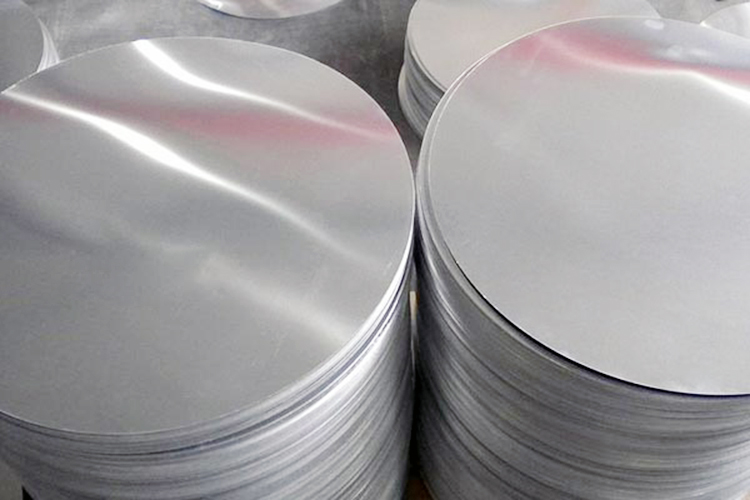
At its simplest, an aluminum circle (also known as an aluminum disc or blank) is a round piece of aluminum sheet or plate, cut to a specific diameter and thickness. They are typically produced from various aluminum alloys, each offering distinct properties suited to different end-uses.
The applications are incredibly diverse:
-
Cookware: The most common application, used for pots, pans, pressure cookers, and pizza trays due to aluminum’s excellent thermal conductivity.
-
Lighting: Reflectors for lamps and lighting fixtures, benefiting from aluminum’s reflectivity and formability.
-
Signage & Road Signs: Durable, lightweight, and corrosion-resistant.
-
Automotive Parts: Components like clutch parts, fuel tanks, or decorative trims.
-
Electronics: Casings, heat sinks, and other components.
-
Construction: Decorative elements, ventilation covers.
-
Packaging: Certain types of containers and lids.
The Allure of Aluminum: Why Circles Made of This Metal?
Aluminum’s popularity isn’t accidental. It boasts a unique combination of properties that make it ideal for circle production and subsequent applications:
-
Excellent Thermal Conductivity: Heats up quickly and distributes heat evenly, crucial for cookware.
-
Lightweight: About one-third the density of steel, making products easier to handle and reducing shipping costs.
-
Corrosion Resistance: Forms a natural, protective oxide layer, which can be further enhanced through anodizing.
-
High Formability/Ductility: Easily shaped, drawn, spun, or stamped into complex forms without breaking, perfect for deep drawing processes used in cookware.
-
Recyclability: Aluminum can be recycled repeatedly without losing its quality, making it an environmentally friendly choice.
-
Strength-to-Weight Ratio: Certain alloys can be very strong while remaining light.
-
Aesthetic Appeal: Can be finished to a high sheen or treated with various surface finishes.
The Manufacturing Journey: From Ingot to Perfect Circle
The production of aluminum circles is a multi-step process requiring precision and expertise:
-
Sourcing Raw Material: Manufacturers start with high-quality aluminum ingots or billets. The specific alloy (e.g., 1050, 1060, 1100, 3003, 5052) is chosen based on the end product’s requirements for strength, formability, and corrosion resistance.
-
Melting and Casting (Optional): Some integrated manufacturers might melt and cast their own ingots into slabs if they start from primary aluminum or scrap. More commonly, they procure pre-alloyed ingots or large coils.
-
Hot Rolling: If starting with slabs, they are heated and passed through large rollers to reduce their thickness and elongate them, forming plates or thick coils. This process refines the grain structure.
-
Cold Rolling: The material is then further reduced in thickness by cold rolling. This process improves surface finish, dimensional accuracy, and strength. The aluminum is now in coil form.
-
Annealing (Often): To restore ductility lost during cold rolling (work hardening) and prepare the aluminum for deep drawing or spinning, the coils are often annealed. This heat treatment process softens the metal.
-
Blanking/Stamping: This is the critical step where circles are cut from the aluminum coil or sheet. High-speed presses with specialized circular dies punch out the discs. Precision is key here to ensure consistent diameter and clean edges.
-
Surface Treatment (Optional): Depending on the application, circles might undergo further treatments like:
-
Cleaning and Degreasing: To remove oils and contaminants.
-
Anodizing: To increase corrosion resistance and provide a decorative finish.
-
Coating: Applying non-stick coatings (for cookware) or paint.
-
-
Quality Control & Inspection: Throughout the process, rigorous quality checks are performed for dimensional accuracy (diameter, thickness), surface finish, alloy composition, and mechanical properties.
-
Packaging & Dispatch: Finished circles are carefully stacked, often interleaved with paper to prevent scratching, and packaged for shipment.
Choosing the Right Aluminum Circle Manufacturer: Key Considerations
Not all manufacturers are created equal. Selecting the right partner is crucial for ensuring product quality, supply chain reliability, and cost-effectiveness. Here’s what to look for:
-
Material Quality & Alloy Expertise:
-
Do they use high-purity aluminum and certified alloys?
-
Can they advise on the best alloy for your specific application (e.g., DC – direct chill quality for deep drawing vs. CC – continuous cast quality for general purposes)?
-
Do they provide material test certificates (MTCs)?
-
-
Production Capabilities & Technology:
-
What is their production capacity? Can they handle your volume requirements?
-
What is their range of producible diameters and thicknesses?
-
Do they use modern, well-maintained blanking presses and rolling mills?
-
Do they offer secondary services like annealing, surface finishing, or custom edge preparation?
-
-
Quality Control Systems:
-
Are they ISO 9001 certified or compliant with other relevant industry standards (e.g., ASTM, EN)?
-
What are their internal QC processes? How do they ensure dimensional tolerance, surface quality, and material integrity?
-
-
Experience & Reputation:
-
How long have they been in the business?
-
Do they have a proven track record and positive customer testimonials or case studies?
-
Are they known for reliability and consistency?
-
-
Technical Support & Customer Service:
-
Is their team knowledgeable and responsive?
-
Can they provide technical assistance during your product development phase?
-
How do they handle queries or potential issues?
-
-
Lead Times & Logistics:
-
What are their typical lead times?
-
Can they meet your delivery schedules consistently?
-
What are their packaging standards to ensure products arrive undamaged?
-
-
Sustainability Practices:
-
Do they prioritize using recycled aluminum content?
-
Are their manufacturing processes energy-efficient?
-
Do they have responsible waste management practices?
-
-
Price Competitiveness: While crucial, price should be balanced against quality, reliability, and service. The cheapest option isn’t always the best value in the long run.
The Future is Bright (and Round!)
The demand for aluminum circles is projected to grow, driven by increasing urbanization, rising disposable incomes (leading to more cookware sales), and the automotive industry’s push for lightweighting vehicles. Manufacturers who invest in advanced technologies, sustainable practices, and new alloy development will be best positioned to capitalize on these trends. Innovations in deep drawing quality (DDQ) aluminum and specialized surface treatments continue to expand the possibilities.